1. Principios mecánicos fundamentales
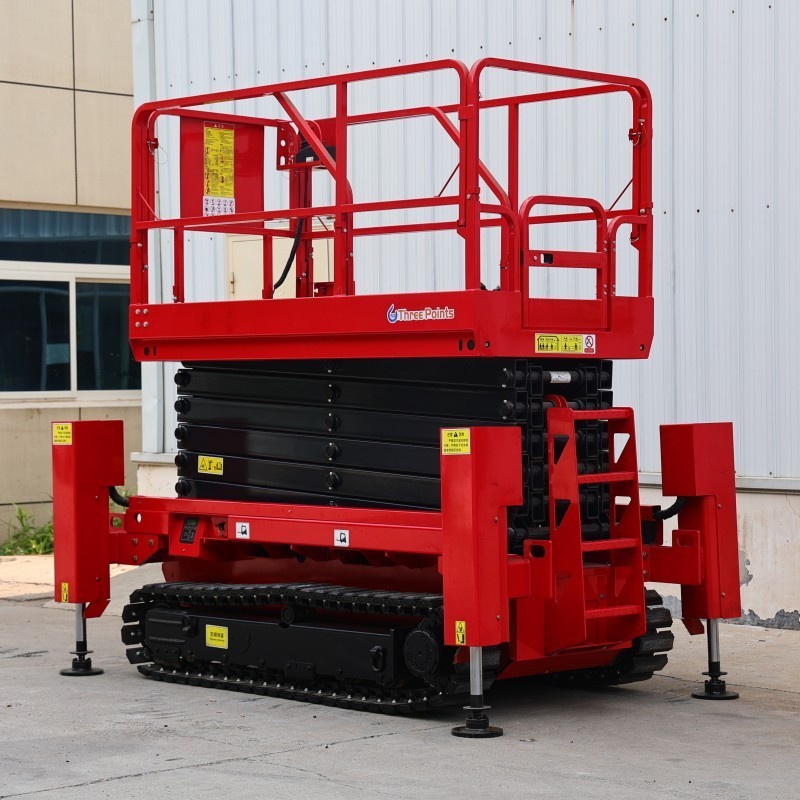
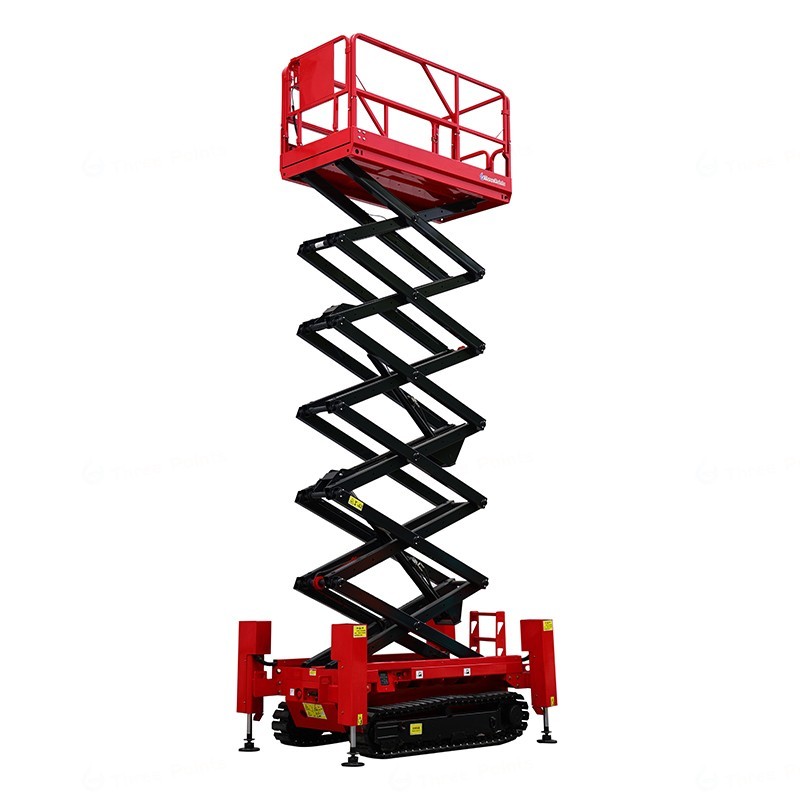
La plataforma elevadora de tijera se basa en una estructura de brazos en forma de X para lograr la elevación y el descenso verticales. Varios conjuntos de varillas metálicas están articulados mediante ejes de pasador para formar una unidad de tijera extensible. La potencia empuja el punto de articulación del brazo de tijera para que se expanda hacia fuera o se retraiga hacia dentro, convirtiendo la fuerza horizontal en la fuerza de elevación vertical de la plataforma, manteniendo la estabilidad horizontal de esta durante todo el proceso y aprovechando el principio de la palanca para amplificar el empuje, lo que permite elevar y bajar cargas pesadas con un motor de baja potencia.
2. Principio de funcionamiento de los sistemas de transmisión de potencia convencionales
Accionamiento hidráulico (el más utilizado): el motor acciona la bomba hidráulica para generar aceite a alta presión, que entra en el cilindro hidráulico a través de válvulas solenoides, válvulas de regulador, etc., y empuja el vástago del pistón para que se extienda y se retraiga, lo que hace que el brazo de tijera se mueva; Al descender, el aceite vuelve al depósito a través del grupo de válvulas y estabiliza el caudal mediante la válvula de equilibrio para evitar que la plataforma se caiga debido a los cambios de carga.
Accionamiento por husillo: un motor paso a paso, acoplado a un reductor, hace girar el husillo, lo que impulsa la tuerca del husillo a desplazarse lateralmente y tira del brazo de tijera para completar la apertura y el cierre. Durante el diseño, es necesario controlar el ángulo de presión del mecanismo para evitar un consumo excesivo de potencia ineficaz y el desperdicio de energía.